
GPT-4o: A New Era of Artificial Intelligence with Voice and Vision
TL;DR
In May 2024, OpenAI launched GPT-4o, with the 'o' standing for omni: a model built to process and respond across text, voice, and images with voice latency as low as 232 milliseconds, close to human conversation. I review the features, pricing, and rollout.
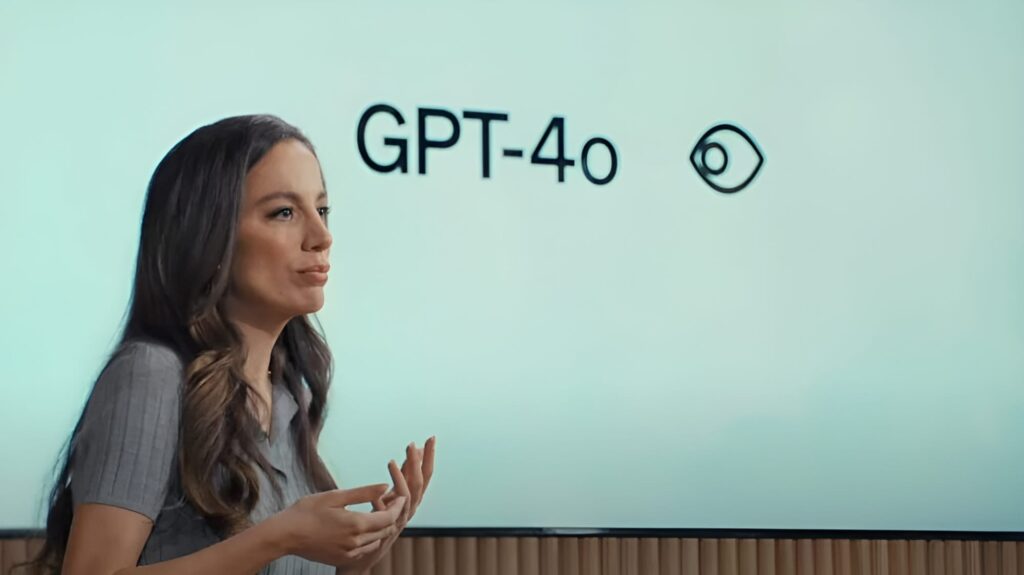
The “o” in GPT-4o stands for “omni” (omnidirectional across modalities), reflecting the model’s ability to understand and generate responses from multiple types of input, including text (prompt), voice, and images, making AI interaction far more versatile.
What Is GPT-4o and Its Key Features
GPT-4o is the latest flagship release in OpenAI’s language model lineup, bringing major advances in how people interact with artificial intelligence.
Before the official announcement, OpenAI tested an early version on the LMSYS Chatbot Arena under the name im-also-a-good-gpt2-chatbot. I followed that story while it was still a mystery in my post on gpt2-chatbot.
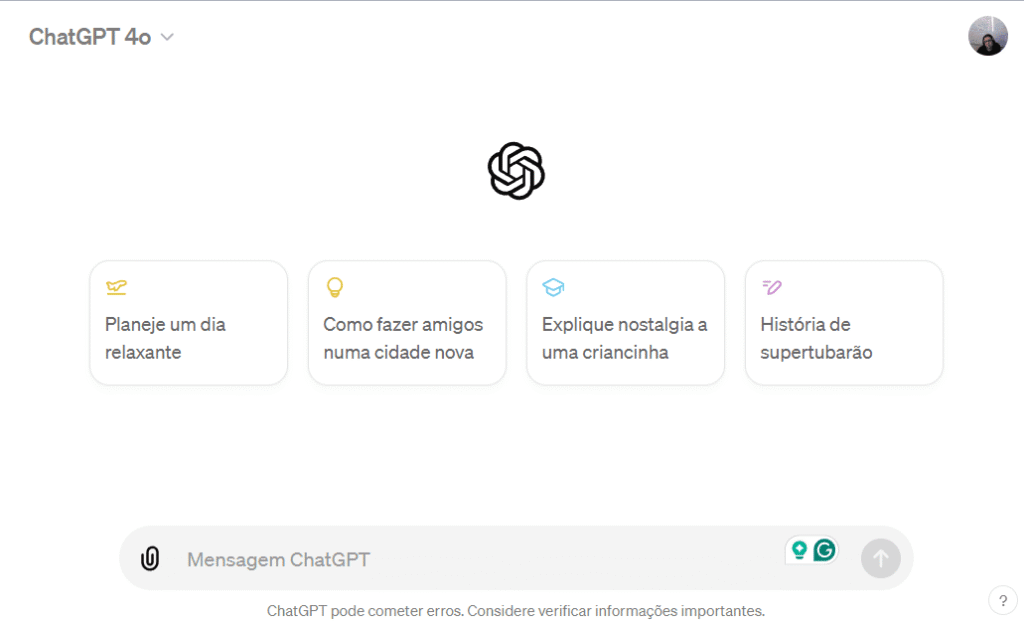
Unlike earlier releases, GPT-4o natively integrates voice generation and image analysis, enabling a much more natural and intuitive conversation flow.
Its voice response latency is particularly striking, sitting between 232 and 320 milliseconds, remarkably close to natural human conversation timing.
This release was built to make AI conversations feel far more immersive by using native voice processing for smoother back-and-forth exchanges.
For deeper technical details and benchmarks against competing models, see the official documentation.
Still unsure what Artificial Intelligence is? Click here.
What Is New and Core Capabilities of GPT-4o
Among GPT-4o’s biggest additions is the upgraded voice mode inside ChatGPT, letting users speak directly with the AI and receive natural-sounding spoken replies.
This feature is especially useful on mobile devices and in virtual assistant workflows where speaking is faster and more convenient than typing.
GPT-4o also improves image comprehension and visual processing, allowing the model to inspect photos, screenshots, and other visual media and answer detailed questions about them.
Developers can now access GPT-4o via the API as a combined text and vision model.
GPT-4o runs 2x faster, costs half as much, and offers 5x higher rate limits compared to GPT-4 Turbo.
Later on, OpenAI also released a smaller, lower-cost variant, GPT-4o Mini, which I analyze separately.
Accessing GPT-4o
GPT-4o is available through OpenAI’s ChatGPT platform.
It is rolling out to both free users (still rolling out in Brazil as of this article’s publication date) and paid subscribers, with different usage tiers and message caps.
According to OpenAI, paying Plus subscribers receive at least 5x higher message capacity on GPT-4o compared to free accounts.
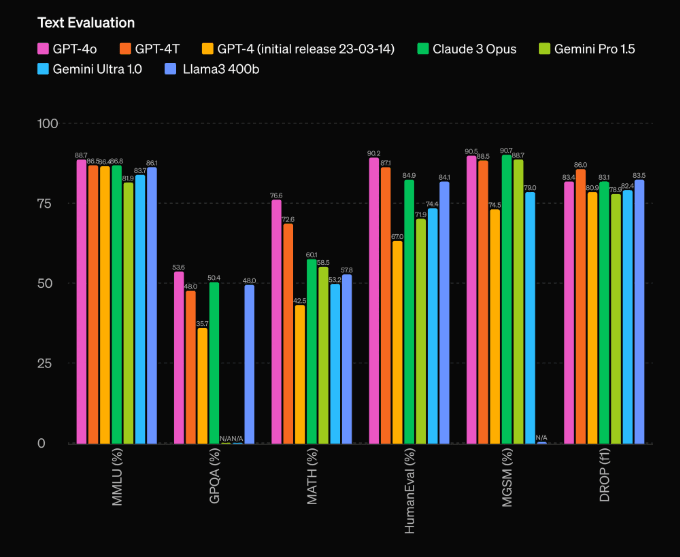
Below is a look at GPT-4o’s text evaluation scores compared against other leading models on the market.
Impact and Expectations for the Future of AI
The release of GPT-4o marks an important step forward in artificial intelligence, opening up new ways to interact naturally with software.
By uniting real-time voice and vision in one model, GPT-4o improves accessibility and widens AI use cases across personal assistants, education, and customer support.
Expectations are high for how quickly GPT-4o will make AI feel more integrated and useful in everyday work.
Conclusions
GPT-4o delivers a real leap forward in practical AI by bringing low-latency voice and native image understanding into a single interface.
With high expectations around speed and multimodal workflows, this model is positioned to reshape how people use AI every day.
To keep up with the latest updates on artificial intelligence and technology, subscribe to receive my newsletter updates.
References
OpenAI, The Verge, and TechReport.