
Google Announces AlphaFold 3, the AI That Predicts Human DNA
TL;DR
In May 2024, Google DeepMind and Isomorphic Labs unveiled AlphaFold 3, an AI model that predicts the structure and interactions of proteins, DNA, RNA, and drug molecules. I review what changed from AlphaFold 2, its potential in medicine, and the ethical questions.
Google (through its DeepMind division and Isomorphic Labs) has announced AlphaFold 3, a powerful artificial intelligence model capable of predicting human DNA structures and biomolecular interactions with unprecedented accuracy.
This breakthrough has the potential to reshape fields ranging from biomedicine to biotechnology.
Not sure what Artificial Intelligence is? Click here.
Innovative Capabilities of AlphaFold 3
AlphaFold 3 represents a major leap forward in modeling complex molecular interactions compared to its predecessor, AlphaFold 2, released in 2020.
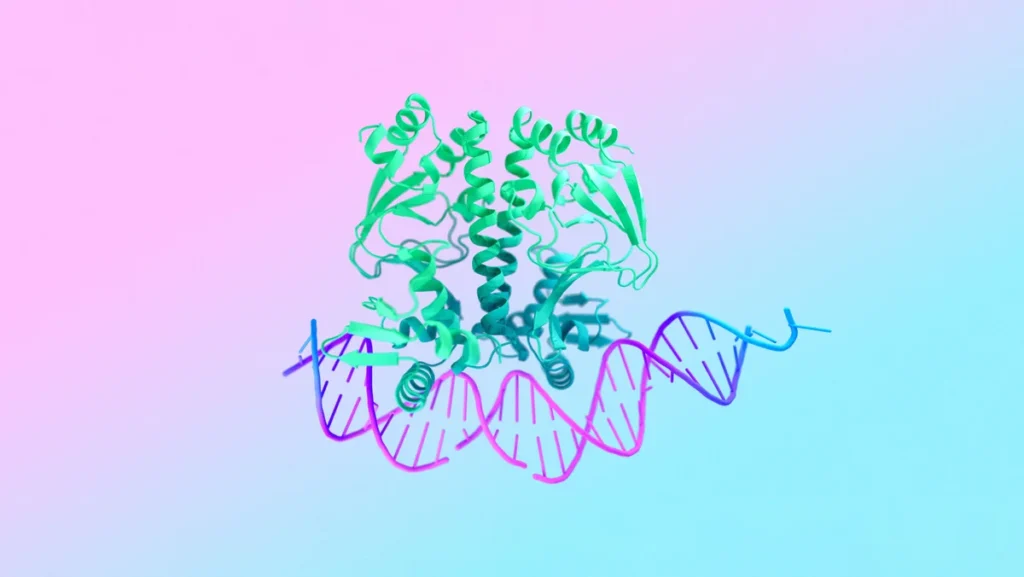
In practice, the model does not stop at protein structures: it also maps interactions across DNA, RNA, and proteins, providing critical insights for understanding genetic diseases and designing new treatments.
Scientists and researchers can access AlphaFold 3 through the AlphaFold Server platform.
Why is this AI model so significant?
AlphaFold 3 takes us beyond proteins to a broad spectrum of biomolecules.
This leap could unlock more transformative science, from developing biorenewable materials and more resilient crops to accelerating drug design and genomics research.
Source: Google Blog.
AlphaFold 3 introduces capabilities for drug design by predicting how molecules commonly used in pharmaceuticals (ligands and antibodies) bind to proteins and alter how they interact in human health and disease.
According to Celine Bouchoux (Principal Laboratory Research Scientist at The Francis Crick Institute), it is still hard to fully measure how much AlphaFold 3 could accelerate medicine and biochemistry overall.
It is not just about “predicting structures”; it is about opening the door to new discoveries.
Impact on Healthcare and Medicine
AlphaFold 3’s potential to speed up the discovery of new drugs is enormous.
With its ability to model complex DNA and molecular interactions rapidly, the technology can sharply cut the time needed to develop more effective, targeted therapies.
Ethical and Future Implications of Artificial Intelligence
While AlphaFold 3 creates extraordinary scientific opportunities, it also raises serious ethical questions around genetic privacy and consent.
Responsible governance of these technologies will therefore be essential as research moves forward.
Conclusions
Google’s launch of AlphaFold 3 opens a new chapter in genetic research and pharmaceutical development.
By predicting complex DNA and biomolecular structures, this AI system sets a new bar in scientific computing while reminding everyone why ethics must stay central to artificial intelligence.
References
Google, DeepMind, and Yahoo Tech News.