
What Is Artificial Intelligence?
TL;DR
Artificial Intelligence is the branch of computer science that builds systems able to perform tasks requiring human intelligence, like learning, reasoning, recognizing patterns, and conversing. Here we explain the concept, gather definitions from Alan Turing, John McCarthy, and Stuart Russell, and explore how it may evolve.

Artificial intelligence (AI) is one of the most widely discussed technologies today, yet what exactly is AI?
Its underlying concept can still feel confusing to many people.
In this article, we will clearly explain what AI is, present definitions from renowned experts, and explore how this concept may continue to evolve in the future.
That way, you can position yourself as someone who truly understands the subject, whether in the workplace, during a job interview, in a conversation with friends, or even at home.
Below we have an episode of our Podcast on Spotify (in Portuguese) where we talk more about the historical context of this technology.
And, in a plain conversation for non-specialists, without technical jargon, I talked about AI in everyday life during my appearance on the Sempre Melhor Podcast (in Portuguese).
Definition and Basic Concepts of Artificial Intelligence
Although the topic is still a subject of debate among specialists, let us start here with a widely accepted and straightforward definition:
AI is a branch of computer science focused on developing systems capable of performing tasks that typically require human intelligence.
This includes machine learning, reasoning, pattern recognition, decision-making, and even natural language interaction.
AI is also capable of processing data at a volume, speed, and precision that would be impossible for the human brain, as well as operating on uninterrupted schedules (24 hours a day, 7 days a week).
All of this, of course, is due to its operating architecture built on computational components, which are fundamentally different in essence from our biochemical matter.
Perspectives from Notable Experts in the Field of AI
Did it all begin with one of the foremost pioneers in the history of computing?
Alan Turing
About 6 years before the term “Artificial Intelligence” was coined by John McCarthy, Alan Turing (“father” of Computer Science) published a thought-provoking question in his landmark paper Computing Machinery and Intelligence.

“Can machines think?”
Source: TURING. A. M. 1950. COMPUTING MACHINERY AND INTELLIGENCE. M I N D A QUARTERLY REVIEW OF PSYCHOLOGY AND PHILOSOPHY, v.LIX, n.236, p.433.
In plain terms: Can machines truly think?
Alan Turing, in 1950, proposed the “Turing Test” as a criterion to determine whether a machine exhibits intelligent behavior indistinguishable from that of a human. His vision laid the foundations for modern AI research.
John McCarthy
John McCarthy was the computer scientist who coined (defined) the term “Artificial Intelligence” in 1956.
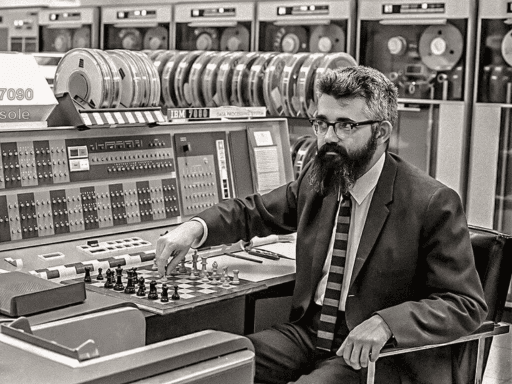
AI is “the science and engineering of making intelligent machines.”
Source: BBVA.
In plain terms: AI is the science and engineering of building intelligent machines.
He emphasized the creation of computational systems that simulate human decision-making and problem-solving processes.
Stuart Russell
Stuart Russell, a British computer scientist and co-author of the book “Artificial Intelligence: A Modern Approach”, offers a contemporary definition of AI.
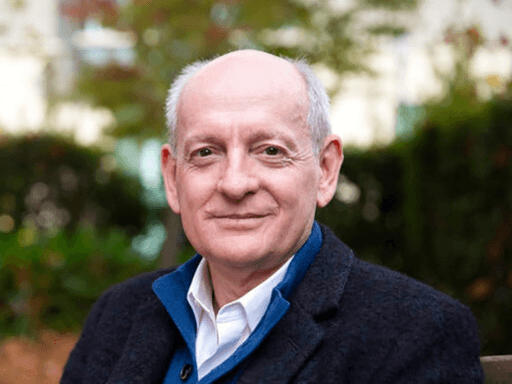
“Artificial intelligence is the study of agents that receive percepts from the environment and perform actions.”
Source: Artificial Intelligence: A Modern Approach, 4th US ed.
In plain terms: Artificial Intelligence is the study of agents that receive perceptions from their environment and execute actions.
He highlights the ability of AI agents to improve their performance through learning, and their fundamental characteristic of executing actions, that is, generating images, texts, translations, processing and analyzing content, charts, and much more.
Elon Musk
Elon Musk, CEO of Tesla and SpaceX, holds a cautious view regarding AI.
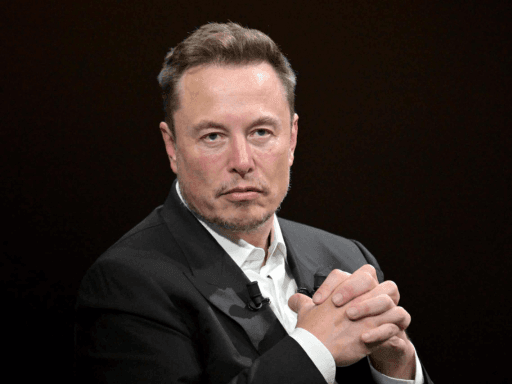
“AI is a fundamental risk to the existence of human civilisation.”
Source: The Guardian.
In plain terms: Artificial Intelligence represents a fundamental risk to the existence of human civilization.
Although the billionaire recognizes the immense potential of AI (comparable to the mastery of fire or the development of the internet in terms of human evolution), Musk advocates for strict regulations to ensure that AI is developed safely and ethically.
Sam Altman
Sam Altman, CEO of OpenAI, sees AI as a tool to amplify human creativity and efficiency, while also emphasizing the importance of ethical guidelines and transparency in developing the technology.
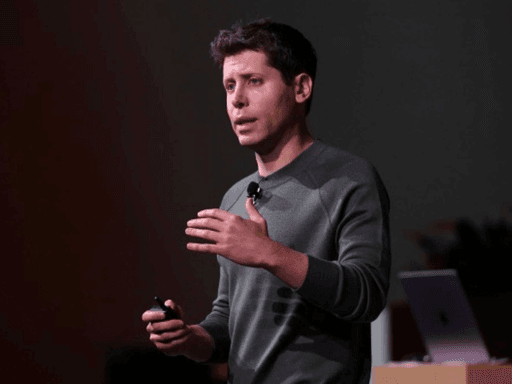
“AI is an extension of human capability, people are using it to create amazing things.”
Source: MITSloanSchool.
In plain terms: AI is an extension of human capability, and people are using it to build remarkable things.
Altman is also an enthusiast of the broader impacts of AI on society when it comes to business opportunities, entrepreneurship, and the future of the job market (in Portuguese).
Jensen Huang
Jensen Huang, founder and CEO of NVIDIA, believes that AI is revolutionizing multiple industries, transforming raw data into valuable insights and automating complex tasks.
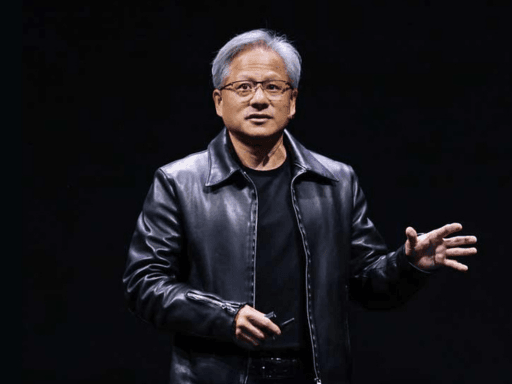
“AI is the most powerful technology force of our time. It is the automation of automation, where software writes software.”
Source: YahooFinance.
In plain terms: AI is the most powerful technological force of our era. It is the automation of automation, where software writes software.
Huang highlighted that, instead of writing software from scratch, companies will assemble AI models, assign them missions, and review intermediate plans and results.
Emad Mostaque
Emad Mostaque, former CEO of Stability AI, sees AI as a positive force that can help tackle major global challenges such as climate change and healthcare crises.
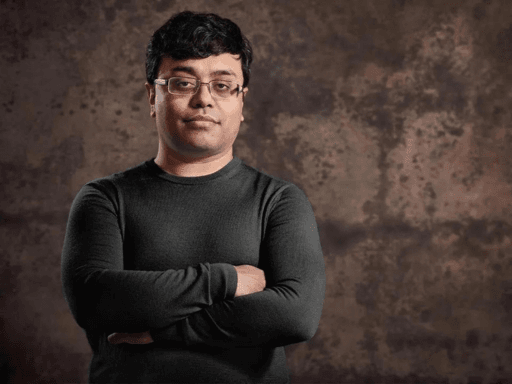
“AI acts as a catalyst for human creativity, freeing us from mundane tasks and enabling us to pursue higher, more fulfilling endeavors. It addresses global issues, from climate change to healthcare, and aims to create a better future for everyone.”
Source: TWIML.
In plain terms: AI acts as a catalyst for human creativity, freeing us from routine tasks and allowing us to pursue higher and more rewarding endeavors. It addresses global challenges, from climate change to healthcare, and aims to build a better future for everyone.
Emad Mostaque announced his departure from the creator of Stable Diffusion (in March 2024) to develop projects in decentralized AI. Emad believes in democratizing access to AI and in collective work between humans and machines for the future of humanity.
The Future of Artificial Intelligence: Possible Shifts in Definitions
With the continuous advancement of technology, the definition of AI itself may evolve.
As AI becomes more deeply integrated into society, our expectations and understanding of this technology also shift.
AI may come to be seen not merely as a tool, but as an essential part of global technological infrastructure.
This includes the possibility of autonomous AI capable of creating and improving other AIs, raising deeper discussions around ethics, control, and the very nature of intelligence.
If a machine can perform tasks once considered exclusive to humans, such as creating art, writing poetry, or making complex decisions, what does that mean for our understanding of what it means to be intelligent or conscious?
Conclusions
Artificial intelligence is constantly evolving, and our understanding of it must evolve alongside it.
Staying up to date with definitions and perspectives from leading experts is essential to make the most of this transformative technology.
Now, you know and master the core concept and what an AI actually is.
In addition, you have seen some of the definitions and perspectives from the world’s leading historical and contemporary figures on the subject.
How about signing up for free below and staying on top of this universe, which will continue changing our reality this year and in the years ahead?
References
Stanford, Harvard and Oxford Reference.